Which Shoulder Replacement Is Best for Rotator Cuff Tear?
A rotator cuff tear is one of the most common causes of shoulder pain, weakness, and difficulty lifting the arm. While many rotator cuff injuries can be treated with physiotherapy, injections, or arthroscopic repair, some severe tears may lead to permanent damage of the shoulder joint.
In advanced cases, especially when the rotator cuff muscles are no longer functioning properly, shoulder replacement surgery may be recommended.
But an important question many patients ask is:
“Which shoulder replacement is best for a rotator cuff tear?”
The answer depends on the size of the tear, condition of the shoulder joint, age, activity level, and overall shoulder function.
A detailed evaluation by an experienced shoulder specialist helps determine the most suitable treatment option. Dr. Aditya Pawaskar provides personalised shoulder treatment options, including advanced shoulder replacement procedures for complex shoulder conditions.
Understanding Rotator Cuff Tear and Shoulder Damage
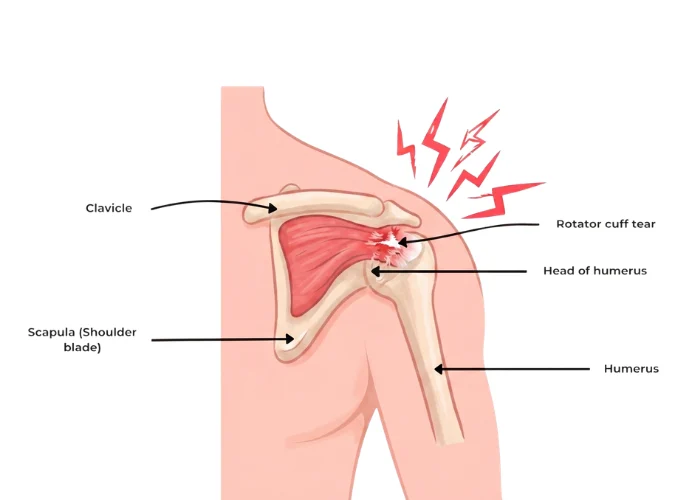
The rotator cuff is a group of four muscles and tendons that help stabilise the shoulder joint and allow movements like lifting, rotating, and reaching.
A rotator cuff tear may occur due to:
- Age-related tendon degeneration
- Sports injuries
- Falls or accidents
- Repetitive overhead activities
- Shoulder trauma
Small tears may cause pain and weakness, but a large untreated tear can gradually affect shoulder mechanics.
In some patients, a massive rotator cuff tear can result in rotator cuff tear arthropathy, where the shoulder joint develops arthritis due to loss of normal tendon support.
Types of Shoulder Replacement Surgery
Different types of shoulder replacement procedures are available depending on the condition of the shoulder.
1. Reverse Shoulder Replacement (Reverse Shoulder Arthroplasty)
For most patients with a large, irreparable rotator cuff tear, reverse shoulder replacement is considered the preferred option.
In a normal shoulder:
- The rotator cuff helps move the arm
- The shoulder muscles work together to provide stability
When the rotator cuff is severely damaged, a traditional shoulder replacement may not function properly.
A reverse shoulder replacement changes the mechanics of the joint by placing:
- A ball component on the shoulder blade side
- A socket component on the upper arm bone side
This allows the deltoid muscle to lift the arm even when the rotator cuff is not working effectively.
Reverse shoulder replacement may be recommended for:
- Massive rotator cuff tears
- Irreparable tendon damage
- Rotator cuff tear arthropathy
- Severe shoulder arthritis with cuff deficiency
2. Total Shoulder Replacement
Traditional total shoulder replacement replaces:
- The damaged ball portion of the shoulder joint
- The socket portion of the shoulder joint
This procedure works best when the rotator cuff tendons are healthy and functioning properly.
It is commonly considered for:
- Advanced shoulder arthritis
- Rheumatoid arthritis
- Severe joint damage
However, if the rotator cuff is completely damaged, conventional shoulder replacement may not provide the desired stability and function.
3. Partial Shoulder Replacement (Hemiarthroplasty)
Partial shoulder replacement involves replacing only the damaged ball portion of the shoulder joint.
It may be considered in selected cases, such as:
- Certain shoulder fractures
- Conditions where the socket remains healthy
However, it is not usually the first choice for patients with severe rotator cuff deficiency.
Why Is Reverse Shoulder Replacement Preferred for Rotator Cuff Tears?
Reverse shoulder replacement is designed specifically to overcome the problems caused by a non-functioning rotator cuff.
Benefits include:
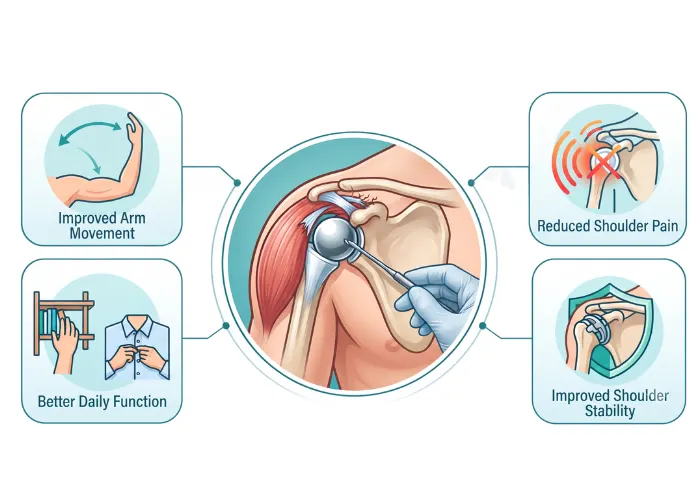
Improved Arm Movement
The deltoid muscle can help lift the arm without relying heavily on the damaged rotator cuff.
Reduced Shoulder Pain
Replacing the damaged joint surfaces can significantly reduce chronic shoulder pain.
Better Daily Function
Patients may find activities like reaching, dressing, and lifting objects easier after recovery.
Improved Shoulder Stability
The reverse design provides better joint stability in patients with cuff-related problems.
How Does a Doctor Decide the Right Shoulder Replacement?
The best shoulder replacement option depends on several factors:
Condition of Rotator Cuff
MRI evaluation helps determine whether the tendon can be repaired or whether replacement is required.
Severity of Arthritis
Joint damage and bone condition influence the choice of implant.
Age and Activity Level
Treatment decisions differ between younger active patients and older patients with degenerative changes.
Muscle Strength
The function of the deltoid muscle is important, especially before reverse shoulder replacement.
Previous Shoulder Surgeries
Past procedures may affect the recommended treatment approach.
Tests Before Shoulder Replacement Surgery
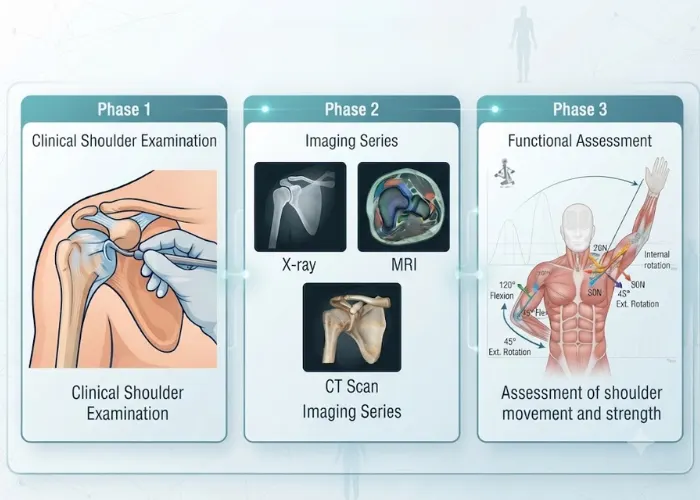
Your doctor may recommend:
- Clinical shoulder examination
- X-rays
- MRI scan
- CT scan in selected cases
- Assessment of shoulder movement and strength
These investigations help create an accurate treatment plan.
Recovery After Reverse Shoulder Replacement
Recovery usually involves a structured rehabilitation program.
Patients may require:
- Sling support initially
- Guided physiotherapy
- Gradual shoulder movement exercises
- Strengthening exercises after healing
Following rehabilitation instructions plays an important role in achieving better shoulder function.
Can Every Rotator Cuff Tear Be Treated With Shoulder Replacement?
No.
Shoulder replacement is generally considered only when:
- The tear is massive and cannot be repaired
- There is significant joint damage
- Pain affects daily activities
- Other treatments have not provided relief
Many rotator cuff tears can still be managed through non-surgical treatments or arthroscopic repair depending on the condition. Dr. Aditya Pawaskar also provides specialised care for rotator cuff tears and shoulder injuries.
Choosing the Right Shoulder Specialist
Selecting the correct procedure is as important as the surgery itself.
A shoulder specialist evaluates:
- The type of rotator cuff tear
- Shoulder joint condition
- Lifestyle requirements
- Long-term functional goals
Dr. Aditya Pawaskar specialises in shoulder arthroscopy, sports injuries, rotator cuff problems, and advanced shoulder replacement procedures in Mumbai.
Frequently Asked Questions (FAQs)
- 1. Which shoulder replacement is best for a massive rotator cuff tear?
Reverse shoulder replacement is commonly recommended for massive irreparable rotator cuff tears because it allows the deltoid muscle to improve arm movement. - 2. Is reverse shoulder replacement better than total shoulder replacement?
Neither procedure is universally better. Reverse replacement is preferred when the rotator cuff is damaged, while total shoulder replacement is suitable when the rotator cuff is healthy. - 3. How long does a reverse shoulder replacement last?
Modern shoulder implants can provide long-term results, but implant lifespan depends on factors like activity level, implant design, and follow-up care. - 4. Can I lift my arm after reverse shoulder replacement?
Most patients experience improved ability to lift their arm after proper rehabilitation. - 5. Is shoulder replacement surgery painful?
Pain is expected after surgery, but it usually improves gradually with medication, rehabilitation, and healing.
Conclusion
For patients with a severe rotator cuff tear, especially an irreparable tear with shoulder arthritis, reverse shoulder replacement is often the most suitable shoulder replacement option.
However, the right procedure depends on your shoulder condition, tendon quality, bone health, and functional goals.
A detailed consultation with a shoulder specialist can help determine the safest and most effective treatment approach.

Dr. Aditya Pawaskar, MS (Orthopaedics)
- Specialist in Arthroscopy & Sports Injury, Mumbai
Visit: https://dradityapawaskar.com/