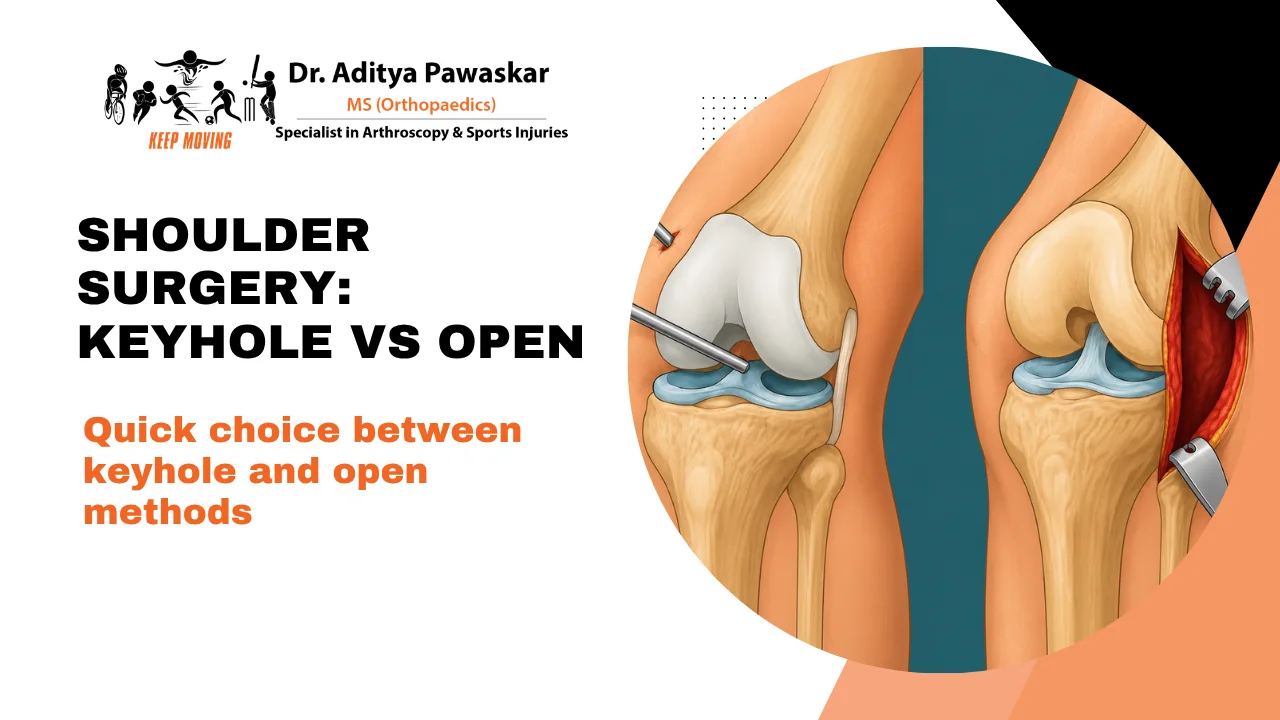
Shoulder Arthroscopy vs Open Surgery: Which Treatment Is Better?
Persistent shoulder pain, stiffness, instability, or difficulty moving your arm can significantly affect daily activities and sports performance. When conservative treatments such as physiotherapy, medications, or activity modification do not provide relief, surgery may be considered.
Patients often have one important question: “Should I choose shoulder arthroscopy or open surgery?”
Both procedures are used to treat different shoulder conditions, but the right choice depends on the type of injury, severity of damage, patient goals, and surgeon’s assessment.
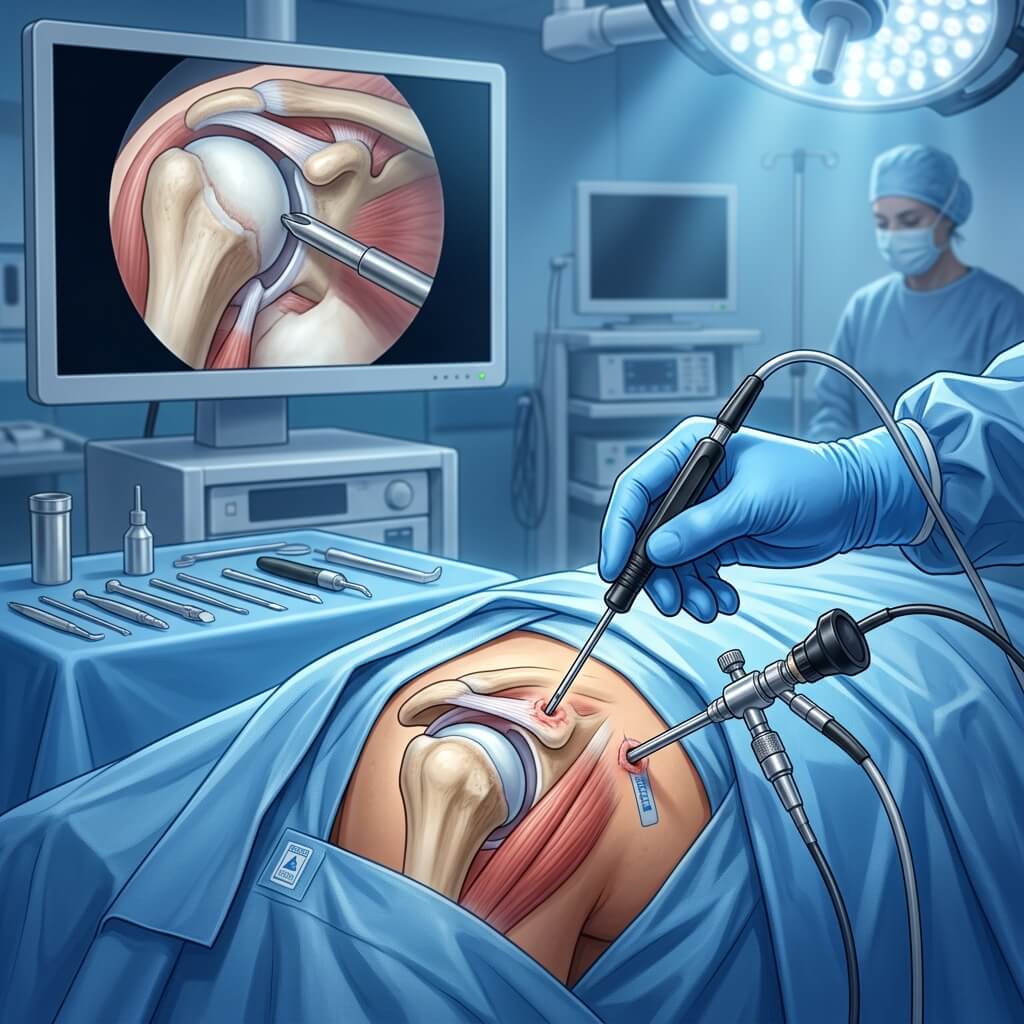
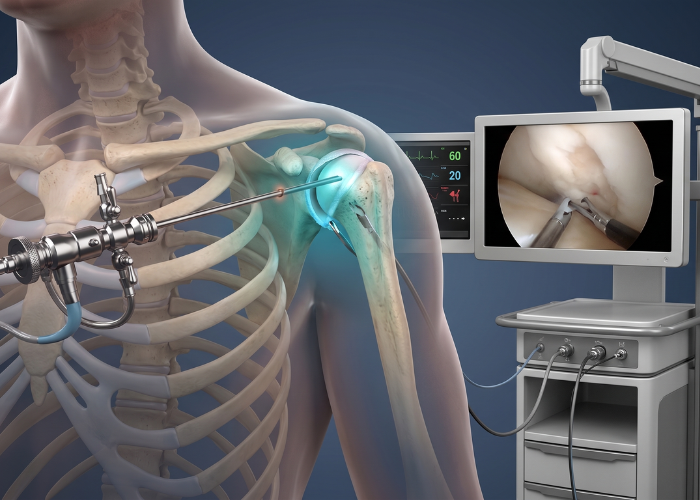
Shoulder arthroscopy is a minimally invasive technique where a small camera and specialised instruments are inserted through small incisions to diagnose and treat problems inside the shoulder joint. Open surgery involves a larger incision that provides direct access to the shoulder structures.
Dr. Aditya Pawaskar is a Consultant Arthroscopic Surgeon and Sports Injury Specialist in Mumbai, specialising in advanced shoulder and knee arthroscopic procedures, sports-related injuries, and minimally invasive treatments.
What Is Shoulder Arthroscopy?
Shoulder arthroscopy is a minimally invasive surgical procedure used to diagnose and treat various shoulder problems.
During the procedure:
- Small incisions are made around the shoulder
- A tiny camera (arthroscope) is inserted into the joint
- The surgeon views the internal structures on a monitor
- Special instruments are used to repair damaged tissues
This technique allows surgeons to treat many shoulder conditions while causing less disruption to surrounding tissues.
What Is Open Shoulder Surgery?
Open shoulder surgery is a traditional surgical approach where the surgeon creates a larger incision to directly access the damaged area.
This approach allows better exposure of complex shoulder structures and may be recommended for certain advanced conditions where extensive repair or reconstruction is required.
Open surgery may still be preferred in situations such as:
- Complex shoulder reconstruction
- Certain shoulder replacement procedures
- Severe bone-related problems
- Extensive injuries requiring wider access
The choice depends on the condition being treated rather than one technique being universally better.
Shoulder Arthroscopy vs Open Surgery: Key Differences
| Feature | Shoulder Arthroscopy | Open Shoulder Surgery |
|---|---|---|
| Surgical approach | Small incisions using camera and instruments | Larger incision with direct access |
| Tissue damage | Usually less soft tissue disruption | More tissue exposure required |
| Scarring | Smaller scars | Larger scar |
| Recovery | Often faster for suitable procedures | May require longer recovery |
| Hospital stay | Usually shorter | May be longer depending on surgery |
| Suitable for | Many sports injuries and soft tissue problems | Complex repairs and selected conditions |
Benefits of Shoulder Arthroscopy
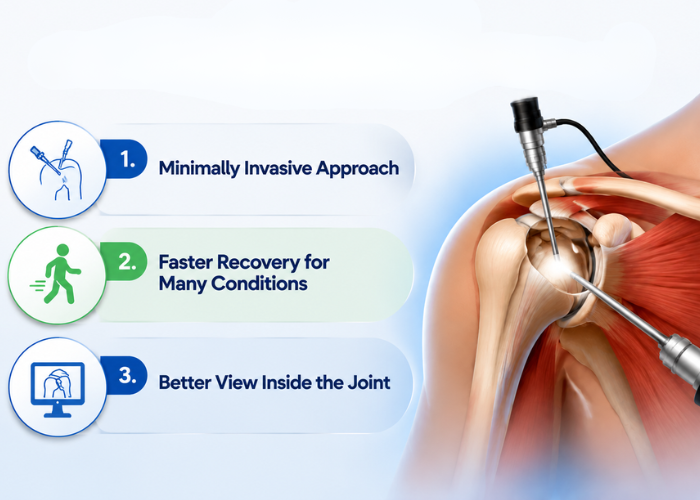
1. Minimally Invasive Approach
One of the biggest advantages of shoulder arthroscopy is that it requires smaller incisions compared with traditional open surgery.
This can help reduce:
- Tissue damage
- Post-operative discomfort
- Scarring
2. Faster Recovery for Many Conditions
Because arthroscopy causes less disruption to surrounding tissues, many patients may begin rehabilitation earlier compared with some open procedures.
However, recovery time still depends on:
- Type of repair performed
- Severity of injury
- Rehabilitation progress
3. Better View Inside the Joint
The arthroscope provides a magnified view of the shoulder joint, allowing detailed evaluation of structures such as:
- Labrum
- Rotator cuff tendons
- Cartilage
- Ligaments
This helps in accurate diagnosis and precise treatment.
Conditions Commonly Treated With Shoulder Arthroscopy
Shoulder arthroscopy may be recommended for:
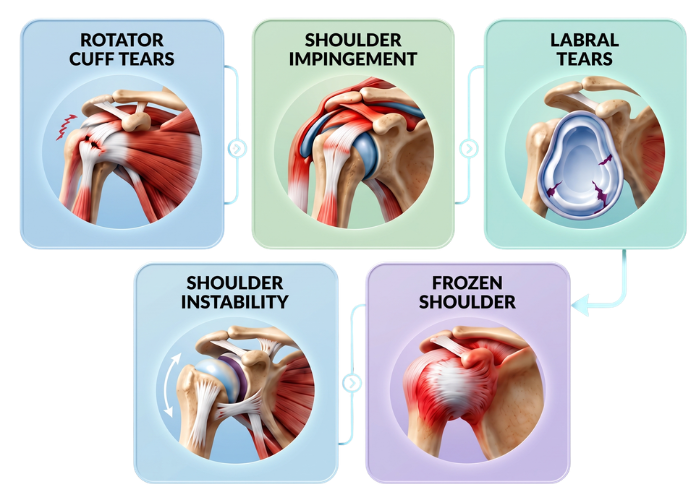
Shoulder Impingement
This occurs when tissues inside the shoulder become compressed during movement.
Patients with repeated shoulder dislocations may require arthroscopic stabilisation procedures.
In selected cases, arthroscopy may help release tight tissues and improve movement.
When Is Open Shoulder Surgery Recommended?
Although shoulder arthroscopy is preferred for many conditions, open surgery may be more suitable in certain situations.
Examples include:
1. Complex Shoulder Reconstruction
Some extensive injuries may require direct access for accurate repair.
2. Shoulder Replacement Surgery
Certain replacement procedures require an open approach to remove damaged joint surfaces and place implants.
3. Severe Bone Damage
Conditions involving significant bone loss may require open procedures for proper correction.
Shoulder Arthroscopy vs Open Surgery: Which Has Better Recovery?
Recovery depends on the procedure performed rather than only the surgical method.
Generally:
After Shoulder Arthroscopy:
Patients may experience:
- Smaller scars
- Earlier movement in many cases
- Faster return to routine activities for suitable procedures
After Open Surgery:
Recovery may involve:
- Longer healing period
- More protection of repaired tissues
- Gradual rehabilitation
A personalised rehabilitation plan is essential after both procedures.
Is Shoulder Arthroscopy Safer Than Open Surgery?
Shoulder arthroscopy is considered a safe and effective option for many shoulder conditions when performed by an experienced specialist.
However, every surgery has potential risks, including:
- Infection
- Stiffness
- Bleeding
- Nerve or tissue injury
- Failure of repair
The best procedure depends on accurate diagnosis and choosing the appropriate technique for your specific condition.
How to Decide Between Shoulder Arthroscopy and Open Surgery?
Your doctor considers several factors, including:
Type of Shoulder Problem
A rotator cuff tear, labral injury, instability, or shoulder replacement may require different approaches.
Severity of Damage
Small and moderate soft tissue injuries may often be treated arthroscopically, while complex problems may require open techniques.
Lifestyle and Activity Goals
Athletes and active individuals may need specialised planning to safely return to sports.
Previous Treatments
Failed physiotherapy or previous surgeries may influence the treatment decision.
Why Choose Dr. Aditya Pawaskar for Shoulder Treatment in Mumbai?

Dr. Aditya Pawaskar is a Consultant Arthroscopic Surgeon and Sports Injury Specialist in Mumbai with expertise in managing complex shoulder and knee conditions.
His expertise includes:
With specialised training in Sports Medicine and Shoulder & Elbow Surgery, he provides personalised treatment plans focused on restoring shoulder function and helping patients return to their active lifestyle.
For patients searching for a shoulder arthroscopy specialist in Mumbai, proper diagnosis and choosing the right surgical approach are important steps toward successful recovery.
Learn more about Dr. Aditya Pawaskar:
https://dradityapawaskar.com/about

Dr. Aditya Pawaskar
Consultant Arthroscopic Surgeon & Sports Injury Specialist
Specialised Care For:
- Shoulder Arthroscopy
- Sports Injury Management
- Rotator Cuff & Labral Repair
- Shoulder Instability & Reconstruction
Frequently Asked Questions About Shoulder Arthroscopy vs Open Surgery
Conclusion
The decision between shoulder arthroscopy vs open surgery depends on your shoulder condition, injury severity, lifestyle goals, and long-term recovery expectations.
Shoulder arthroscopy offers a minimally invasive option for many sports injuries and soft tissue problems, while open surgery remains important for specific complex conditions.
If you have persistent shoulder pain, instability, or difficulty with movement, consult an experienced shoulder arthroscopy specialist in Mumbai for proper evaluation and personalised treatment planning.
Dr. Aditya Pawaskar provides advanced shoulder and sports injury care using evidence-based surgical approaches to help patients regain mobility and return to their daily activities and sports.
For consultation:
https://dradityapawaskar.com/contact
Dr. Aditya Pawaskar, MS (Orthopaedics)
- Specialist in Arthroscopy & Sports Injury, Mumbai
Visit: https://dradityapawaskar.com/