Introduction
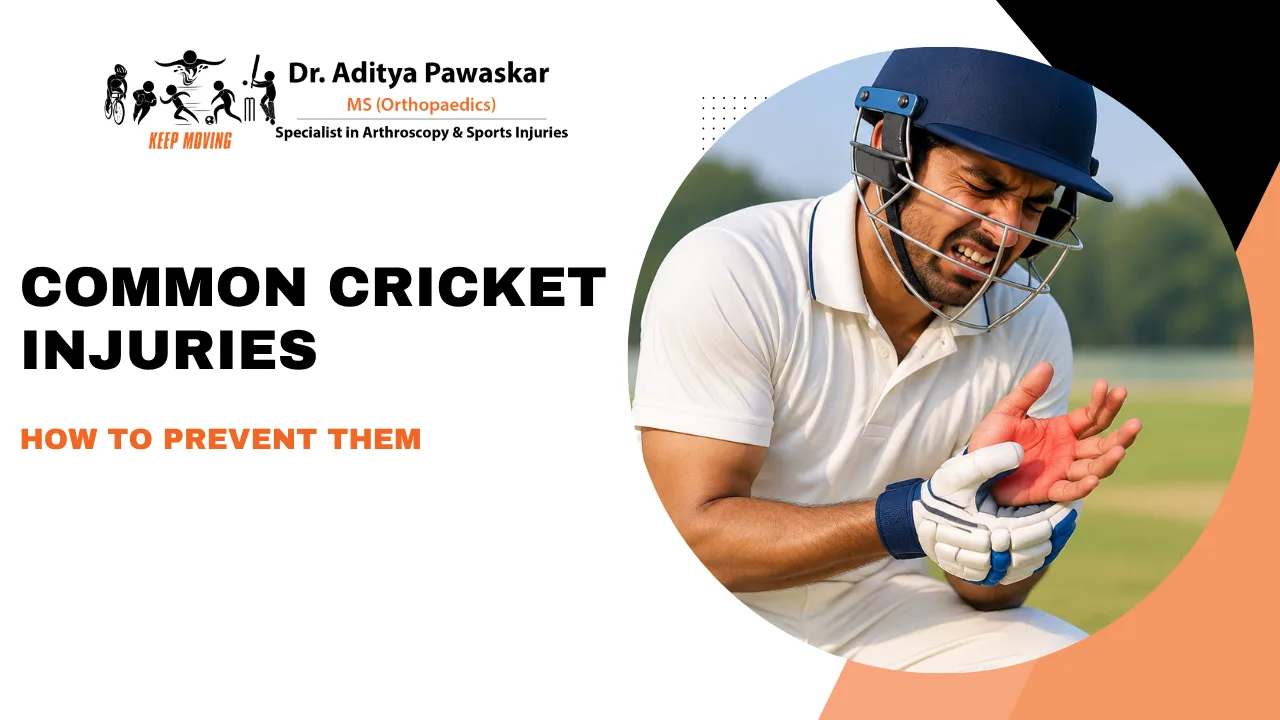
Cricket is a sport that requires a combination of strength, speed, flexibility, and endurance. Although it may appear less physically demanding compared with some contact sports, cricket involves repeated high-intensity movements such as fast bowling, sprinting between wickets, diving while fielding, and powerful throwing.
These repetitive actions can place significant stress on the muscles, joints, and ligaments, leading to various injuries. From amateur players to professional cricketers, understanding common cricket injuries and learning how to prevent them can help players maintain performance and avoid long-term problems.
Early recognition of pain and proper injury management are essential for safe participation in the sport.
Dr. Aditya Pawaskar is a Consultant Arthroscopic Surgeon and Sports Injury Specialist in Mumbai, specialising in sports-related injuries, knee conditions, shoulder problems, and advanced arthroscopic treatments.
Why Are Cricket Players Prone to Injuries?
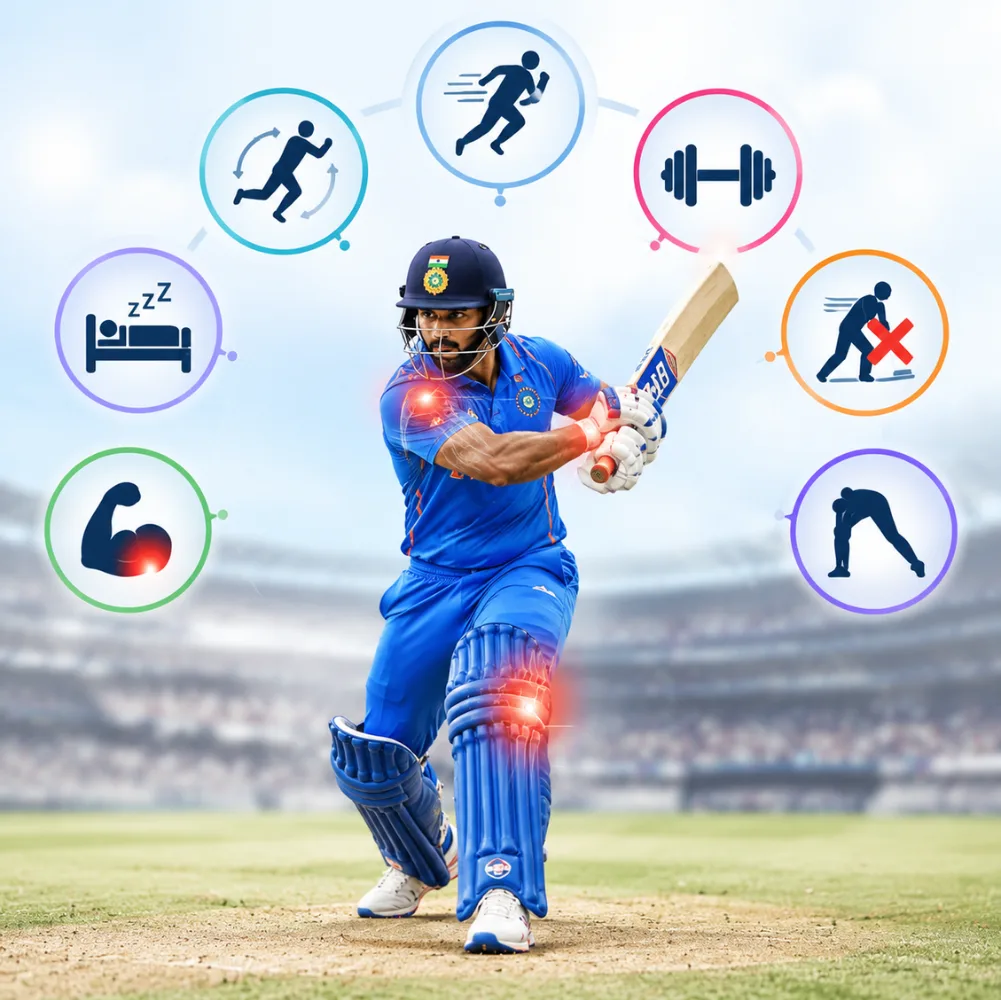
Cricket injuries often occur because of:
- Repetitive movements
- High training intensity
- Sudden changes in direction
- Incorrect technique
- Insufficient warm-up
- Muscle weakness or imbalance
- Poor recovery between matches
Different players may experience different injury patterns depending on their role:
- Fast bowlers often develop back and shoulder injuries
- Batsmen commonly experience wrist, shoulder, and lower limb injuries
- Fielders are at risk of knee and shoulder injuries due to diving and throwing movements
Common Cricket Injuries Players Should Know About
1. Shoulder Injuries
The shoulder plays a major role in cricket, especially during:
- Bowling
- Throwing
- Batting
- Fielding
Repeated overhead movements can stress the shoulder joint and surrounding muscles.
Common shoulder injuries include:
- Rotator cuff injuries
- Shoulder instability
- Labral tears
- Shoulder impingement
Symptoms May Include:
- Shoulder pain while throwing
- Weakness
- Reduced arm movement
- Clicking sensation
- Difficulty lifting the arm
Shoulder arthroscopy may be recommended for certain injuries that do not improve with conservative treatment.
Learn more: https://dradityapawaskar.com/shoulder/shoulder-arthroscopy
2. Knee Injuries
The knee absorbs significant force during:
- Running between wickets
- Jumping
- Sudden stopping
- Fielding movements
Common knee injuries in cricket include:
- ACL tears
- Meniscus tears
- Ligament injuries
- Cartilage damage
Warning Signs:
- Knee swelling
- Pain during running
- Feeling of instability
- Locking sensation
- Difficulty changing direction
Knee injuries, especially ligament injuries, should be evaluated early to prevent further damage.
3. Back Injuries in Fast Bowlers
Fast bowling involves repeated twisting and extension of the spine, which can increase stress on the lower back.
Common problems include:
- Muscle strains
- Stress injuries
- Lower back pain
Risk Factors:
- Increased bowling workload
- Poor technique
- Lack of core strength
- Insufficient recovery
Fast bowlers should follow proper workload management to reduce injury risk.
4. Hamstring Injuries
Fast acceleration while:
- Sprinting between wickets
- Chasing the ball
- Fielding
can strain the hamstring muscles.
Symptoms include:
- Sudden pain at the back of the thigh
- Tightness
- Difficulty running
- Reduced speed
Adequate warm-up and strengthening exercises can help reduce the risk.
5. Ankle Injuries
Ankle injuries may occur due to:
- Landing awkwardly
- Sudden direction changes
- Uneven playing surfaces
Common problems include:
- Ankle sprains
- Ligament injuries
- Instability
Repeated ankle injuries may affect balance and performance.
6. Wrist and Hand Injuries
Cricketers frequently use their hands for:
- Batting
- Catching
- Throwing
Common injuries include:
- Wrist sprains
- Tendon irritation
- Finger injuries
Proper protective equipment and technique help reduce risk.
7. Elbow Injuries
Repeated throwing and bowling can place stress on the elbow joint.
Common issues include:
- Tendon injuries
- Overuse-related pain
- Ligament stress
Early management can prevent chronic problems.
How Can Cricket Players Prevent Injuries?
Preventing injuries requires consistent training habits and proper preparation.
1. Always Warm Up Before Playing
A proper warm-up prepares muscles and joints for activity.
Include:
- Light jogging
- Dynamic stretching
- Mobility exercises
- Sport-specific movements
Avoid starting intense activity with cold muscles.
2. Strengthen Supporting Muscles
Strength training improves stability and reduces injury risk.
Important areas include:
Core Muscles
Helps support the spine, especially for bowlers.
Leg Muscles
Improves knee control during running and jumping.
Shoulder Muscles
Supports throwing and bowling movements.
3. Improve Bowling Workload Management
Fast bowlers should avoid sudden increases in:
- Number of overs
- Training intensity
- Match frequency
Gradual progression allows the body to adapt.
4. Maintain Proper Technique
Incorrect movement patterns increase stress on joints.
Players should focus on:
- Correct bowling mechanics
- Proper batting posture
- Safe landing techniques
- Efficient throwing technique
5. Wear Appropriate Equipment
Protective equipment helps reduce injury severity.
Important gear includes:
- Proper cricket shoes
- Helmets
- Pads
- Gloves
- Supportive equipment where required
6. Prioritise Recovery
Recovery is essential for preventing overuse injuries.
Players should focus on:
- Adequate sleep
- Hydration
- Nutrition
- Rest days
- Recovery exercises
7. Do Not Ignore Pain
Playing through pain can worsen injuries.
Consult a specialist if you experience:
- Persistent pain
- Repeated swelling
- Reduced performance
- Joint instability
- Difficulty completing training
When Should a Cricketer Consult a Sports Injury Specialist?
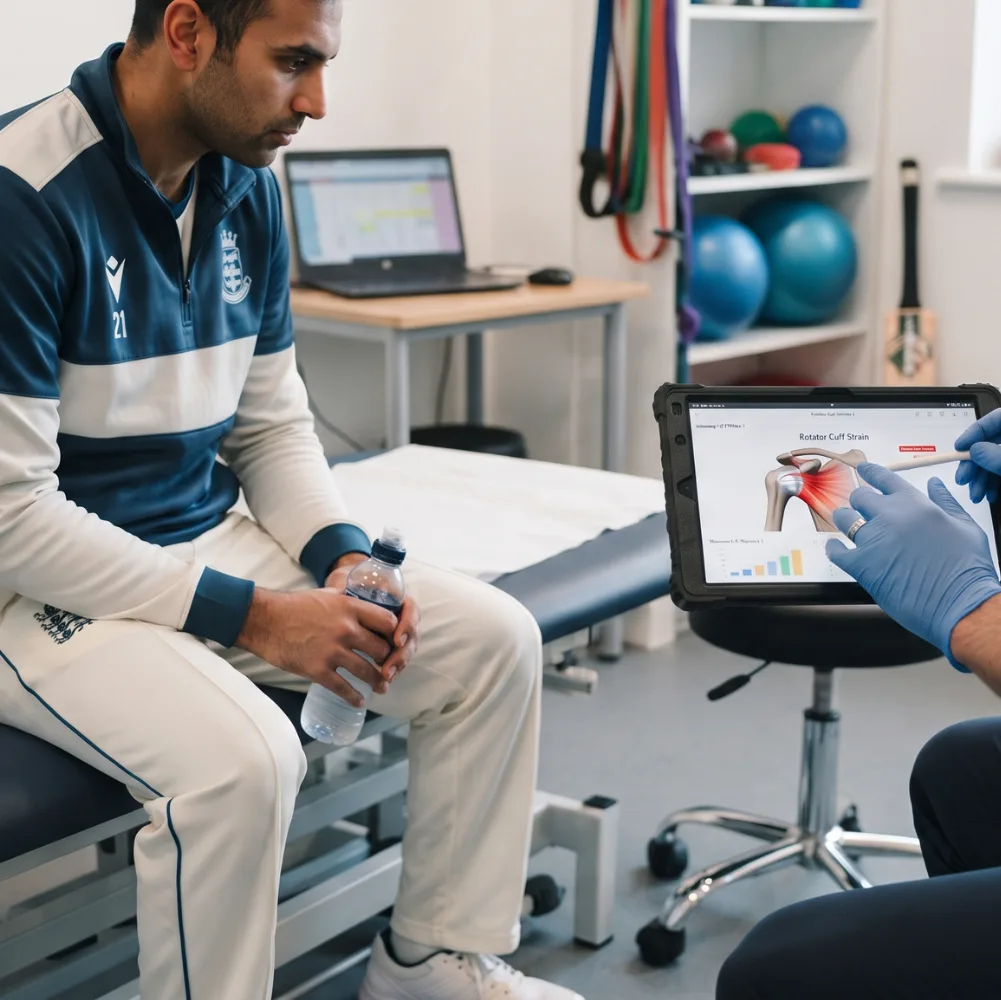
A sports injury specialist should be consulted when:
- Pain continues despite rest
- Injury affects performance
- The joint feels unstable
- There is swelling after activity
- Movement becomes restricted
- Previous injuries keep returning
Early diagnosis helps prevent minor injuries from becoming serious problems.
How Are Cricket Injuries Diagnosed?
Diagnosis usually involves:
Physical Examination
The specialist evaluates:
- Pain location
- Joint movement
- Strength
- Stability
- Functional ability
Imaging Tests
Depending on symptoms, investigations may include:
- X-rays
- MRI scans
- Other specialised tests
These help identify ligament, cartilage, muscle, or tendon injuries.
Treatment Options for Cricket Injuries
Treatment depends on the injury type and severity.
Non-Surgical Treatment
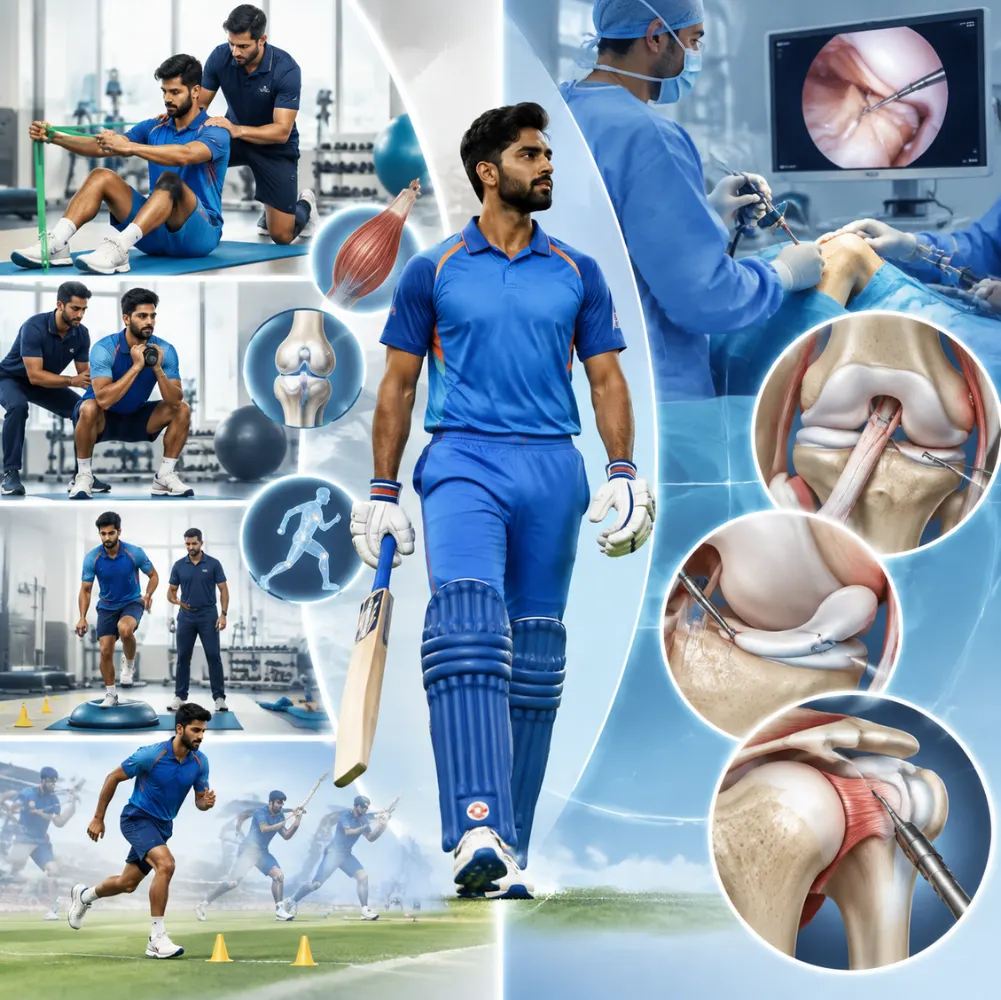
Many injuries improve with:
- Physiotherapy
- Strength training
- Activity modification
- Rehabilitation exercises
Arthroscopic Treatment
Some injuries may require minimally invasive procedures, including:
- ACL reconstruction
- Meniscus repair
- Shoulder arthroscopy
- Labral repair

Dr. Aditya Pawaskar
MS (Orthopaedics)
Consultant Arthroscopic Surgeon & Sports Injury Specialist
Why Choose Dr. Aditya Pawaskar for Cricket Injury Treatment in Mumbai?
Dr. Aditya Pawaskar is a Consultant Arthroscopic Surgeon and Sports Injury Specialist in Mumbai with expertise in treating sports-related injuries affecting the knee and shoulder.
His expertise includes:
- Cricket-related injuries
- Knee ligament injuries
- Shoulder injuries
- Arthroscopic surgery
- Athlete rehabilitation
With specialised experience in sports medicine and minimally invasive procedures, he provides personalised treatment plans designed around the player's injury, sport requirements, and recovery goals.
For players searching for cricket injury treatment in Mumbai, expert evaluation helps ensure safe recovery and a structured return to sport.
Learn more about Dr. Aditya Pawaskar.
Frequently Asked Questions About Cricket Injuries
Conclusion
Cricket requires repeated high-performance movements that can place stress on different parts of the body. Understanding common cricket injuries and following proper prevention strategies can help players stay fit and perform consistently.
Ignoring pain or delaying treatment may increase the risk of long-term problems. Early assessment, rehabilitation, and expert guidance can help cricketers recover safely and return to the game.
If you are dealing with a cricket-related injury, consult an experienced sports injury specialist in Mumbai for proper diagnosis and personalised treatment planning.
Dr. Aditya Pawaskar provides advanced sports injury and arthroscopic care to help athletes regain strength, mobility, and confidence.
For enquiry details, Contact us.

Dr. Aditya Pawaskar, MS (Orthopaedics)
- Specialist in Arthroscopy & Sports Injury, Mumbai
Visit: https://dradityapawaskar.com/