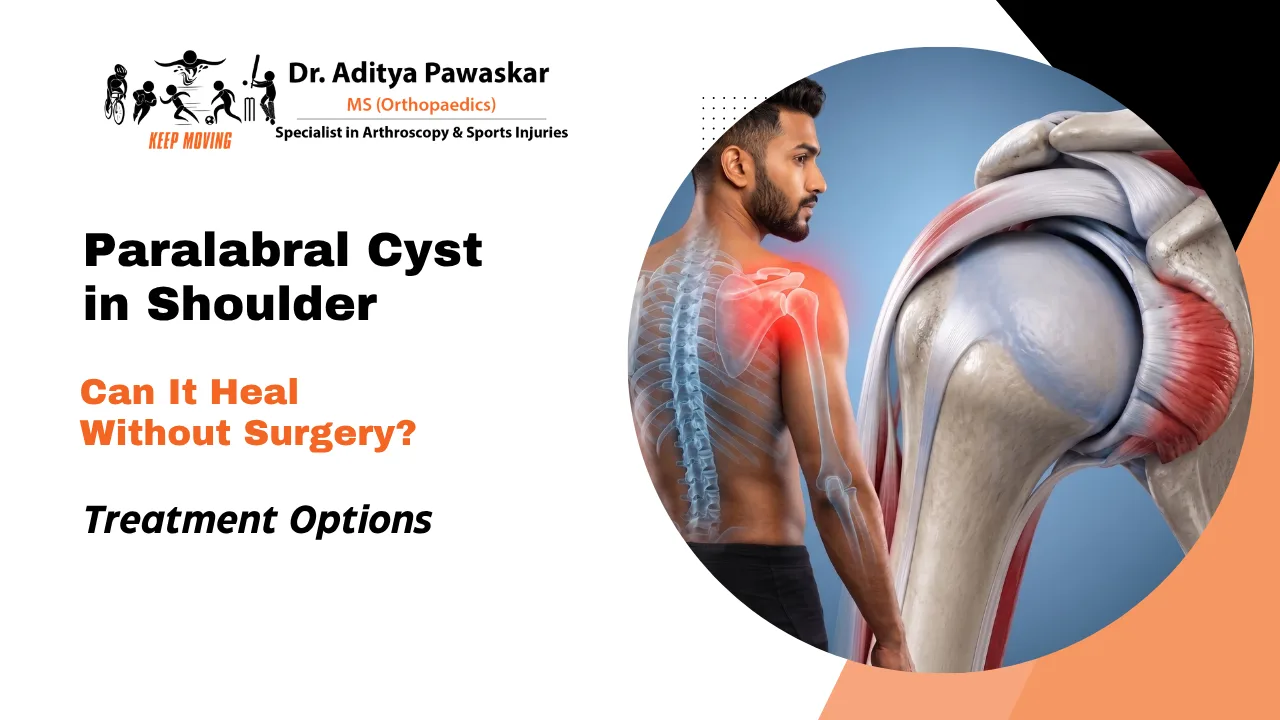
Can a Paralabral Cyst Heal Without Surgery? Understanding Treatment Options
A paralabral cyst in the shoulder can cause pain, weakness, stiffness, and difficulty performing daily activities or sports. When diagnosed with a shoulder cyst, many patients have one common concern:
“Can a paralabral cyst heal without surgery?”
The answer depends on several factors, including the size of the cyst, symptoms, associated labral tear, and whether nearby nerves are affected.
Some small paralabral cysts may be managed with non-surgical treatments, especially when symptoms are mild. However, cysts caused by significant labral tears or those causing nerve compression may require surgical treatment for long-term relief.
Dr. Aditya Pawaskar is a Consultant Arthroscopic Surgeon and Sports Injury Specialist in Mumbai, specialising in shoulder arthroscopy, sports injuries, and minimally invasive treatment of shoulder conditions.
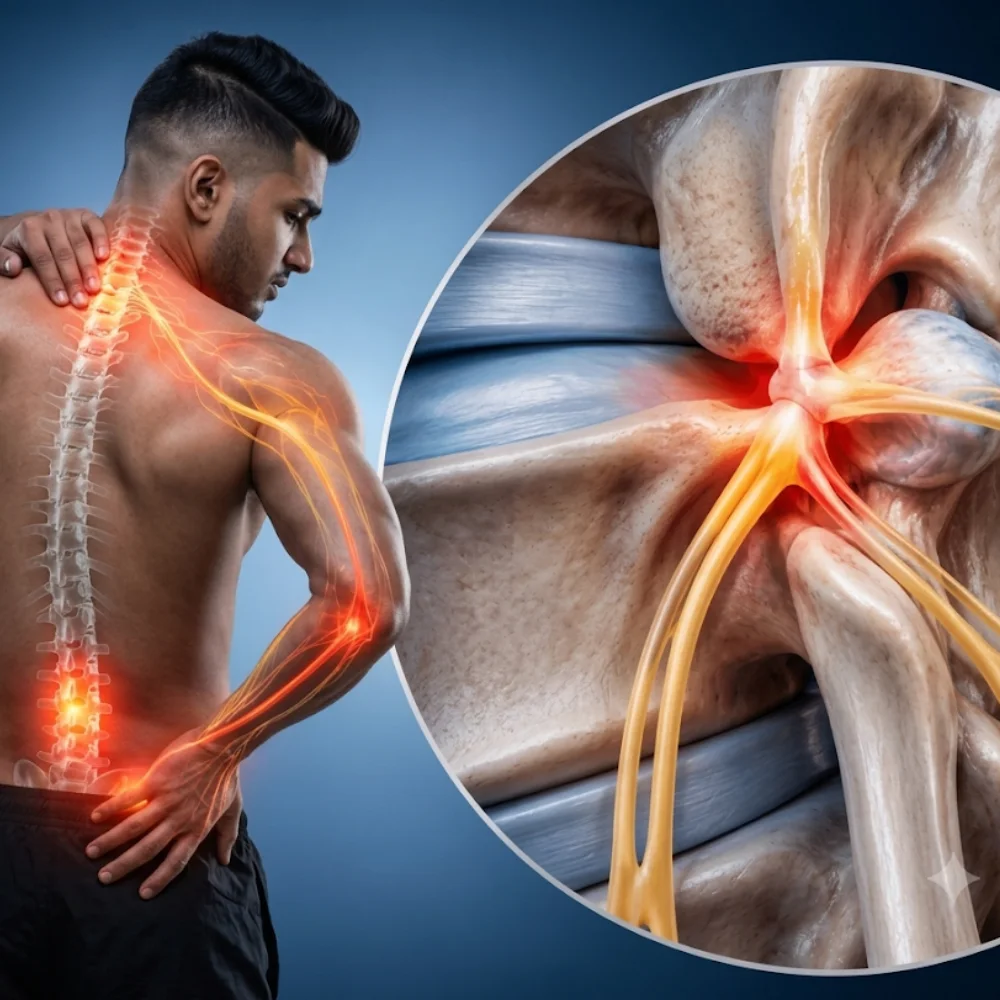
What Is a Paralabral Cyst?
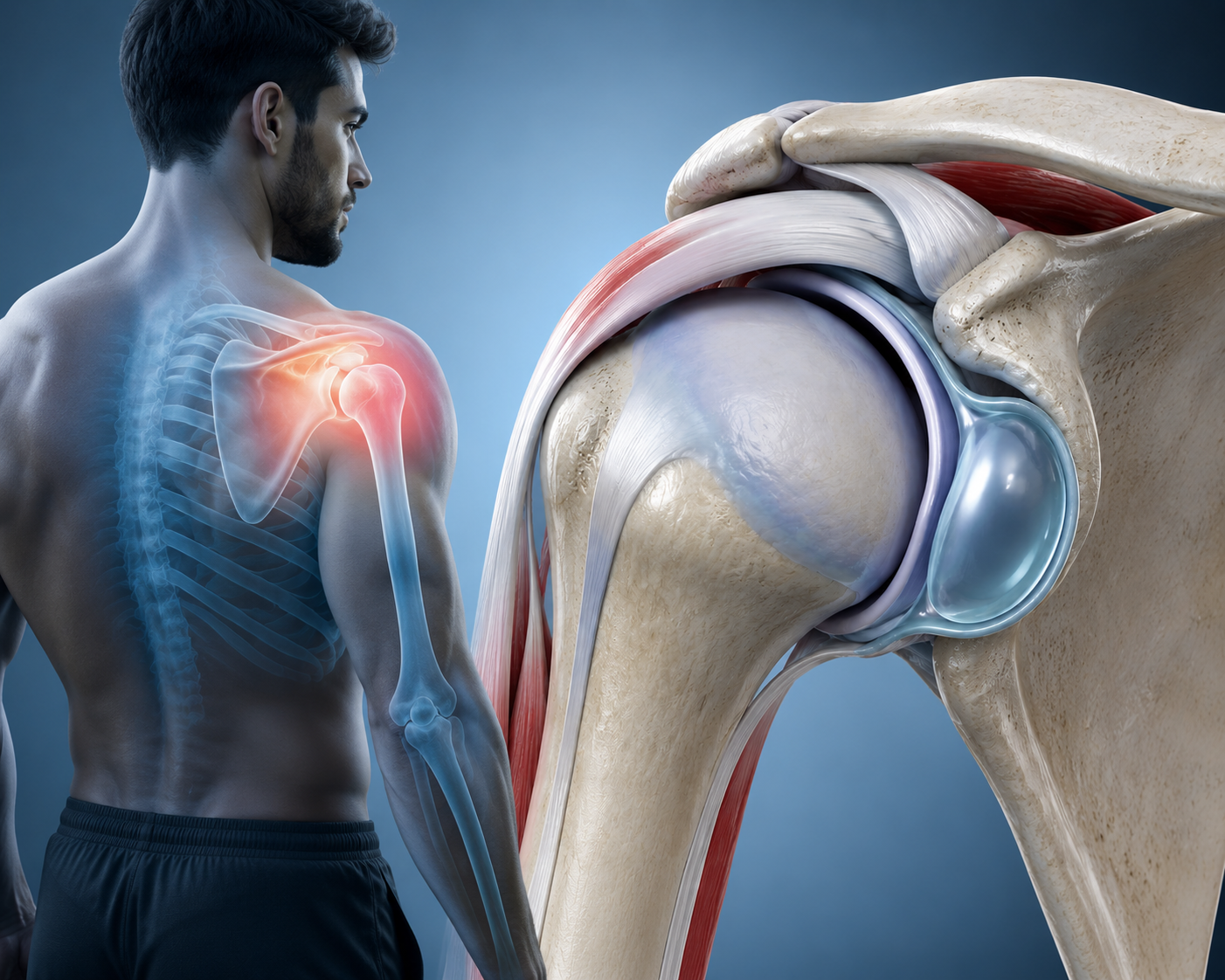
A paralabral cyst is a fluid-filled sac that develops next to the shoulder labrum.
The labrum is a cartilage structure that surrounds the shoulder socket and helps maintain joint stability.
When the labrum develops a tear, fluid from the shoulder joint can pass through the damaged area and collect near the labrum, forming a cyst.
Paralabral cysts are commonly associated with:
- SLAP tears
- Shoulder injuries
- Repetitive overhead activities
- Shoulder instability
Can a Paralabral Cyst Heal Without Surgery?
In some cases, a paralabral cyst may improve without surgery, especially when:
- The cyst is small
- Symptoms are mild
- There is no nerve compression
- Shoulder function is not significantly affected
Non-surgical treatment focuses on reducing symptoms and improving shoulder function.
However, it is important to understand that a cyst caused by a labral tear may not completely disappear unless the underlying tear is addressed.
Non-Surgical Treatment Options for Paralabral Cyst
1. Activity Modification
Reducing activities that increase shoulder stress is often the first step.
Your doctor may recommend avoiding:
- Repetitive overhead movements
- Heavy lifting
- Painful sports activities
This helps reduce irritation around the shoulder joint.
1. Activity Modification
Reducing activities that increase shoulder stress is often the first step.
Your doctor may recommend avoiding:
- Repetitive overhead movements
- Heavy lifting
- Painful sports activities
This helps reduce irritation around the shoulder joint.
2. Physiotherapy for Shoulder Stability
Physiotherapy plays an important role in managing mild cases of paralabral cyst.
A rehabilitation program may focus on:
Strengthening Shoulder Muscles
Strong shoulder muscles help improve joint stability and reduce stress on the labrum.
Exercises may target:
- Rotator cuff muscles
- Shoulder stabilisers
- Scapular muscles
Improving Range of Motion
Gentle exercises help maintain shoulder movement and prevent stiffness.
Correcting Movement Patterns
Physiotherapy can help identify and correct:
- Poor shoulder mechanics
- Muscle imbalance
- Incorrect sports techniques
3. Pain Management
Depending on symptoms, treatment may include:
- Ice application
- Rest from aggravating activities
- Anti-inflammatory medication if advised by a doctor
These approaches may help control discomfort but do not repair a torn labrum.
4. Observation and Regular Follow-Up
If the cyst is small and symptoms are manageable, your doctor may recommend monitoring.
Follow-up evaluation helps determine whether:
- Symptoms are improving
- The cyst is increasing in size
- Further treatment is required
When Is Surgery Needed for a Paralabral Cyst?
Although conservative treatment may help some patients, surgery may be recommended when symptoms persist or complications develop.
Surgery may be considered if you have:
1. Persistent Shoulder Pain
Pain that continues despite physiotherapy and activity modification may require further treatment.
2. Nerve Compression
A larger cyst may press on nearby nerves and cause:
- Shoulder weakness
- Muscle wasting
- Difficulty with shoulder movements
Nerve-related symptoms often require timely evaluation.
3. Associated Labral Tear
Since many paralabral cysts develop due to labral tears, treating the tear is often necessary to prevent recurrence.
4. Repeated Shoulder Instability
Patients with repeated shoulder dislocations or instability may require surgical stabilisation.
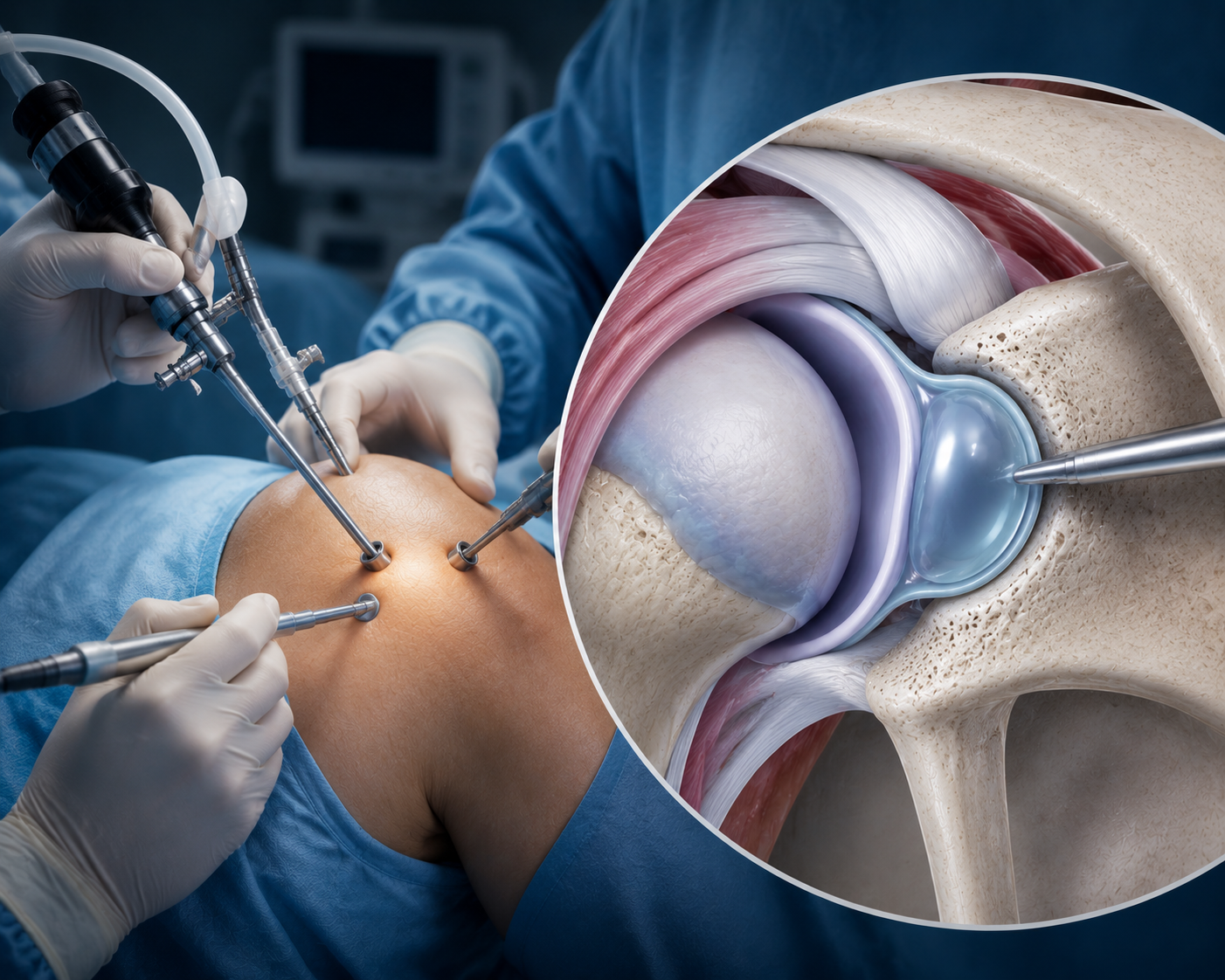
How Is Paralabral Cyst Surgery Performed?
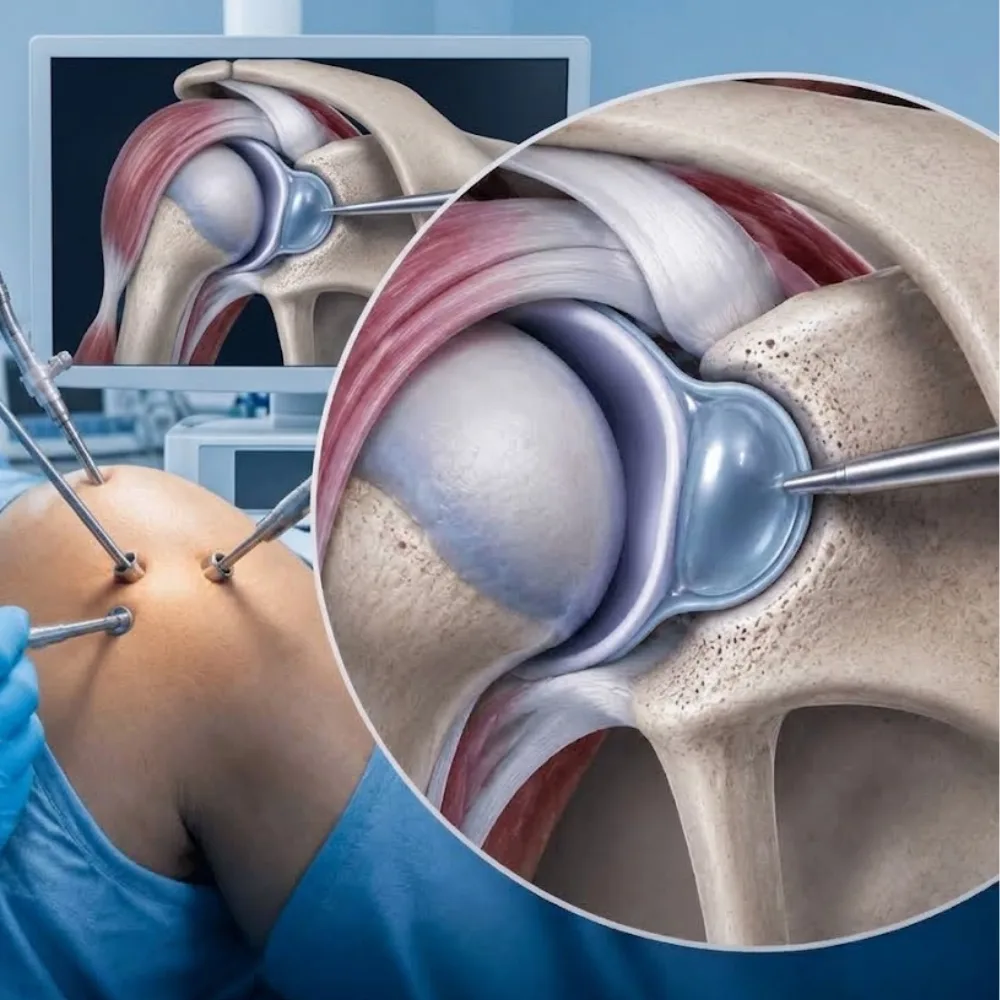
The commonly used procedure is arthroscopic paralabral cyst decompression.
During this minimally invasive procedure:
- Small incisions are created around the shoulder
- A camera is inserted into the joint
- The cyst is identified
- Fluid is released
- The associated labral tear is repaired if required
Shoulder arthroscopy allows treatment through smaller incisions and helps preserve surrounding tissues.
Dr. Aditya Pawaskar specialises in arthroscopic shoulder procedures, including treatment of shoulder injuries and conditions affecting joint stability.
Learn more:
https://dradityapawaskar.com/shoulder/paralabral-cyst-decompression
Recovery After Paralabral Cyst Treatment
Recovery depends on whether only cyst decompression or additional labral repair is performed.
Recovery may involve:
Initial Phase
- Protecting the shoulder
- Managing pain and swelling
- Gentle movements
Rehabilitation Phase
- Improving shoulder mobility
- Strengthening muscles
- Restoring shoulder stability
Return to Activities
Athletes usually require gradual progression before returning to throwing, lifting, or competitive sports.
Following rehabilitation guidance is essential for preventing recurrence.
Factors That Affect Treatment Choice
The best treatment approach depends on:
Size and Location of the Cyst
Larger cysts may have a higher chance of causing symptoms.
Severity of Labral Damage
A significant tear may require repair.
Patient Activity Level
Athletes and physically active individuals may require a more specialised
approach.
Presence of Nerve Symptoms
Weakness or muscle changes require careful evaluation.
Why Choose Dr. Aditya Pawaskar for Paralabral Cyst Treatment in Mumbai?

Dr. Aditya Pawaskar is a Consultant Arthroscopic Surgeon and Sports Injury Specialist in Mumbai with expertise in treating complex shoulder conditions.
His areas of expertise include:
With advanced training in sports medicine and shoulder surgery, he provides personalised treatment plans based on the patient's symptoms, diagnosis, and activity goals.
For patients searching for paralabral cyst treatment in Mumbai, choosing an experienced shoulder arthroscopy specialist helps ensure accurate diagnosis and appropriate management.
Learn more about Dr. Aditya Pawaskar:
https://dradityapawaskar.com/about

Dr. Aditya Pawaskar
Consultant Arthroscopic Surgeon & Sports Injury
Specialist
Specialised Care For:
- Shoulder Arthroscopy
- Sports Injury Management
- Rotator Cuff & Labral Repair
- Shoulder Instability & Reconstruction
Frequently Asked Questions About Paralabral Cyst Treatment
Conclusion
A paralabral cyst may sometimes be managed without surgery, especially when symptoms are mild and there is no nerve involvement. However, the underlying cause, such as a labral tear, needs careful evaluation.
Persistent shoulder pain, weakness, or instability should not be ignored. Early diagnosis helps determine whether conservative treatment or arthroscopic surgery is the right option.
If you are looking for paralabral cyst treatment in Mumbai, consult an experienced shoulder arthroscopy specialist for personalised evaluation and treatment planning.
Dr. Aditya Pawaskar provides advanced shoulder and sports injury care using modern arthroscopic techniques to help patients return to pain-free movement and active lifestyles.
For consultation:
https://dradityapawaskar.com/contact
Dr. Aditya Pawaskar, MS (Orthopaedics)
- Specialist in Arthroscopy & Sports Injury, Mumbai
Visit: https://dradityapawaskar.com/