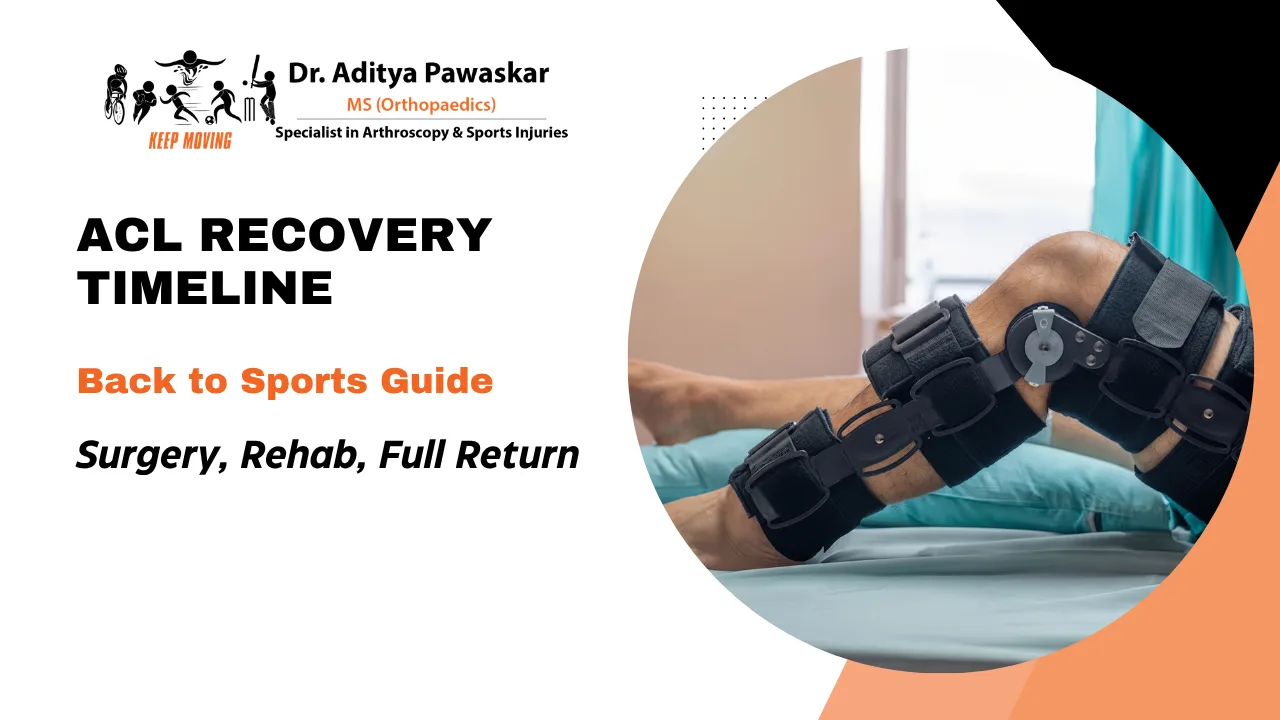
ACL Tear Recovery Timeline: When Can You Return to Sports and Daily Activities?
An ACL tear is one of the most common and serious knee injuries, especially among athletes involved in sports that require sudden stops, jumping, twisting, and quick direction changes. A torn ACL can affect knee stability and make it difficult to return to activities without proper treatment and rehabilitation.
One of the most common questions patients ask after an ACL injury is, “How long will it take to recover and return to sports?”
The answer depends on several factors, including the severity of the injury, treatment approach, rehabilitation progress, muscle strength, and the type of activity you want to return to.
For many patients undergoing ACL reconstruction, recovery is a gradual process that focuses on restoring knee movement, strength, stability, and confidence before returning to high-impact activities. Many rehabilitation protocols use milestone-based progression, and return to competitive sports commonly takes around 9–12 months depending on individual recovery and functional readiness.
Dr. Aditya Pawaskar is a Consultant Arthroscopic Surgeon and Sports Injury Specialist in Mumbai, specialising in knee and shoulder arthroscopic procedures, including ACL tear reconstruction and sports-related injuries. (dradityapawaskar.com)
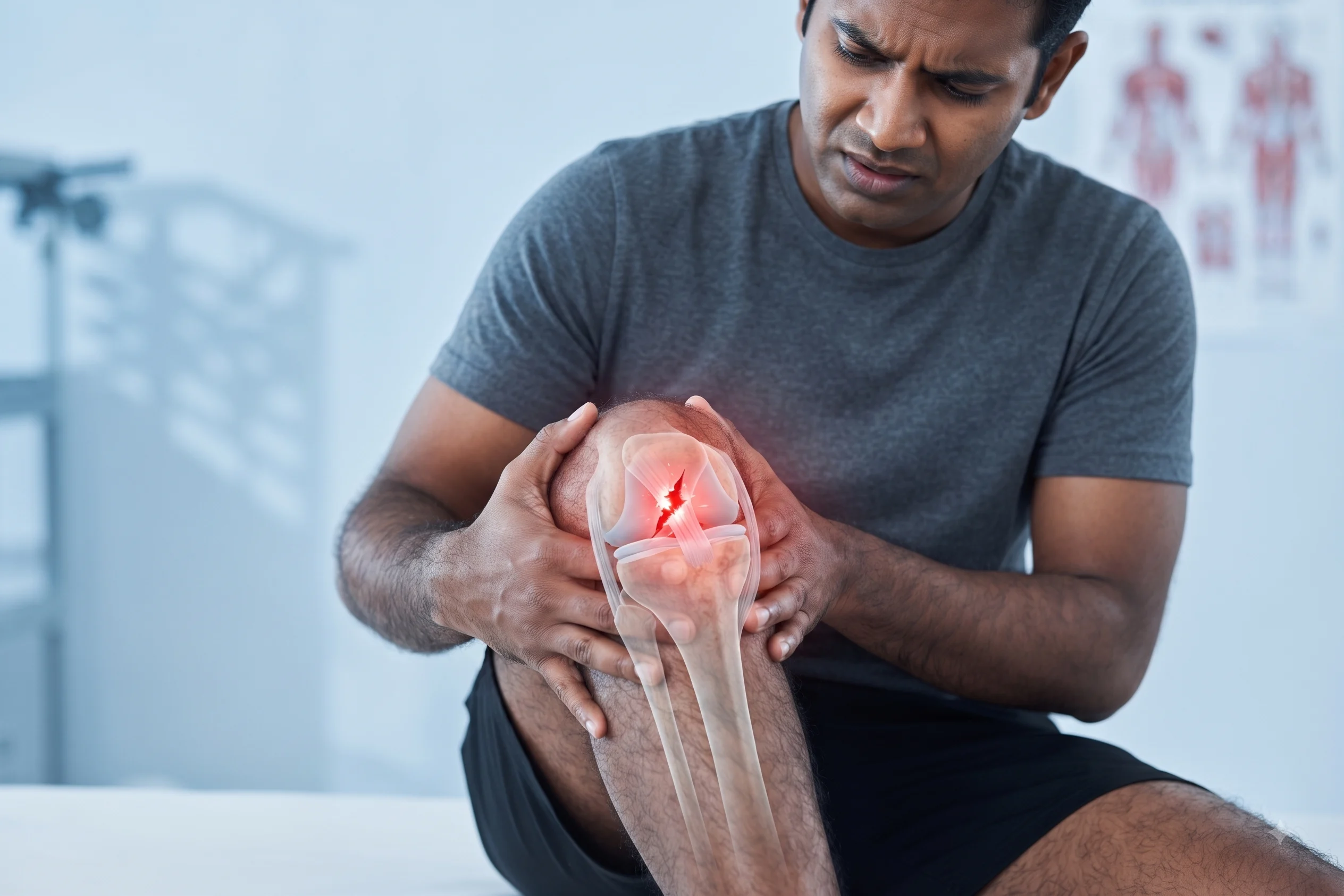
What Is an ACL Tear?
The Anterior Cruciate Ligament (ACL) is one of the important ligaments inside the knee joint. It connects the thigh bone (femur) to the shin bone (tibia) and helps control knee stability, especially during:
- Running
- Jumping
- Pivoting movements
- Sudden changes in direction
An ACL tear occurs when this ligament is stretched beyond its capacity or completely ruptures.
What Are the Symptoms of an ACL Tear?
Common symptoms after an ACL injury include:
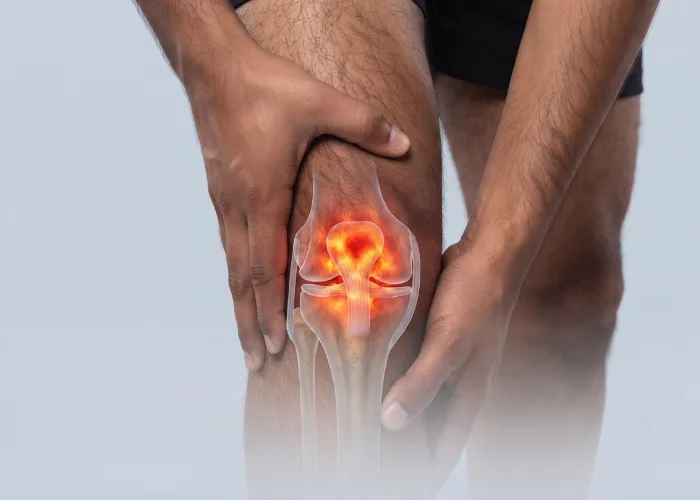
1. A Popping Sound During Injury
Many patients report hearing or feeling a “pop” at the time of injury.
2. Knee Swelling
Rapid swelling may develop within a few hours due to bleeding inside the knee joint.
4. Difficulty Continuing Activities
An ACL tear can make running, jumping, or turning movements difficult.
3. Knee Instability
You may feel that:
- Your knee is giving way
- You cannot trust your knee while walking
- The knee feels unstable during sports
How Is an ACL Tear Diagnosed?
A proper diagnosis helps determine the right treatment approach.
Physical Examination
A sports injury specialist evaluates:
- Knee stability
- Range of motion
- Swelling
- Ligament function
MRI Scan
MRI helps identify:
- ACL damage
- Complete or partial tears
- Associated meniscus injuries
- Cartilage damage
ACL Tear Recovery Timeline After Surgery
The ACL tear recovery timeline is divided into different phases. Each stage has specific goals before progressing to the next level.
Phase 1: Immediate Recovery (0–2 Weeks)
Main Goals:
During this phase, patients usually focus on:
- Gentle knee exercises
- Walking support if required
- Reducing inflammation
- Regaining knee extension
Phase 2: Regaining Strength and Movement (2–6 Weeks)
During this stage, rehabilitation focuses on:
Exercises may include:
- Straight leg raises
- Controlled squats
- Balance exercises
- Range-of-motion exercises
The goal is to rebuild basic knee function safely.
Phase 3: Strength Building Phase (6 Weeks–3 Months)
At this stage, patients gradually increase activity levels.
Focus areas include:
Low-impact activities such as cycling may be introduced depending on recovery progress.
Phase 4: Advanced Rehabilitation (3–6 Months)
This phase prepares the knee for higher-level activities.
Patients may begin:
- Running progression
- Agility exercises
- Functional training
- Sport-specific movements
Phase 5: Return to Sports (6–12 Months)
Returning to sports after ACL surgery should happen only after achieving proper recovery milestones.
Before returning, patients should demonstrate:
Many athletes return to competitive sports around 9–12 months after ACL reconstruction, although the timeline varies based on injury complexity, rehabilitation progress, and sport demands.
High-impact sports involving jumping, twisting, and sudden direction changes require careful evaluation before clearance.
When Can You Return to Daily Activities After ACL Surgery?
Recovery for daily activities is usually faster than returning to sports.
Walking
Many patients gradually return to normal walking within the early recovery period depending on pain, swelling, and muscle control.
Driving
Driving depends on:
- Which knee was operated on
- Pain control
- Strength and movement ability
Your doctor will guide you regarding safe timing.
Office Work
Patients with desk-based jobs may return earlier compared with physically demanding work.
Exercise and Gym
Light exercises may begin during rehabilitation, but activities involving:
- Heavy lifting
- Jumping
- Sudden twisting
should be avoided until cleared.
Factors That Affect ACL Recovery Time
Every patient's ACL tear recovery timeline can be different.
Factors affecting recovery include:
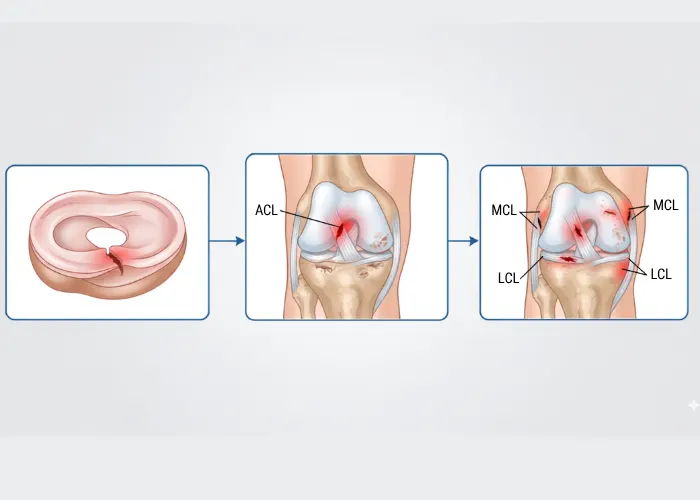
Type of Injury
Recovery may take longer if there are associated injuries such as:
- Meniscus tear
- Cartilage damage
- Multiple ligament injuries
Rehabilitation Consistency
Following physiotherapy regularly plays a major role in restoring strength and function.
Age and Activity Level
Athletes and active individuals often require advanced rehabilitation before returning to competitive activities.
Surgical Technique and Expertise
Accurate ACL reconstruction and personalised rehabilitation planning help improve recovery outcomes.
Why Choose Dr. Aditya Pawaskar for ACL Tear Treatment in Mumbai?
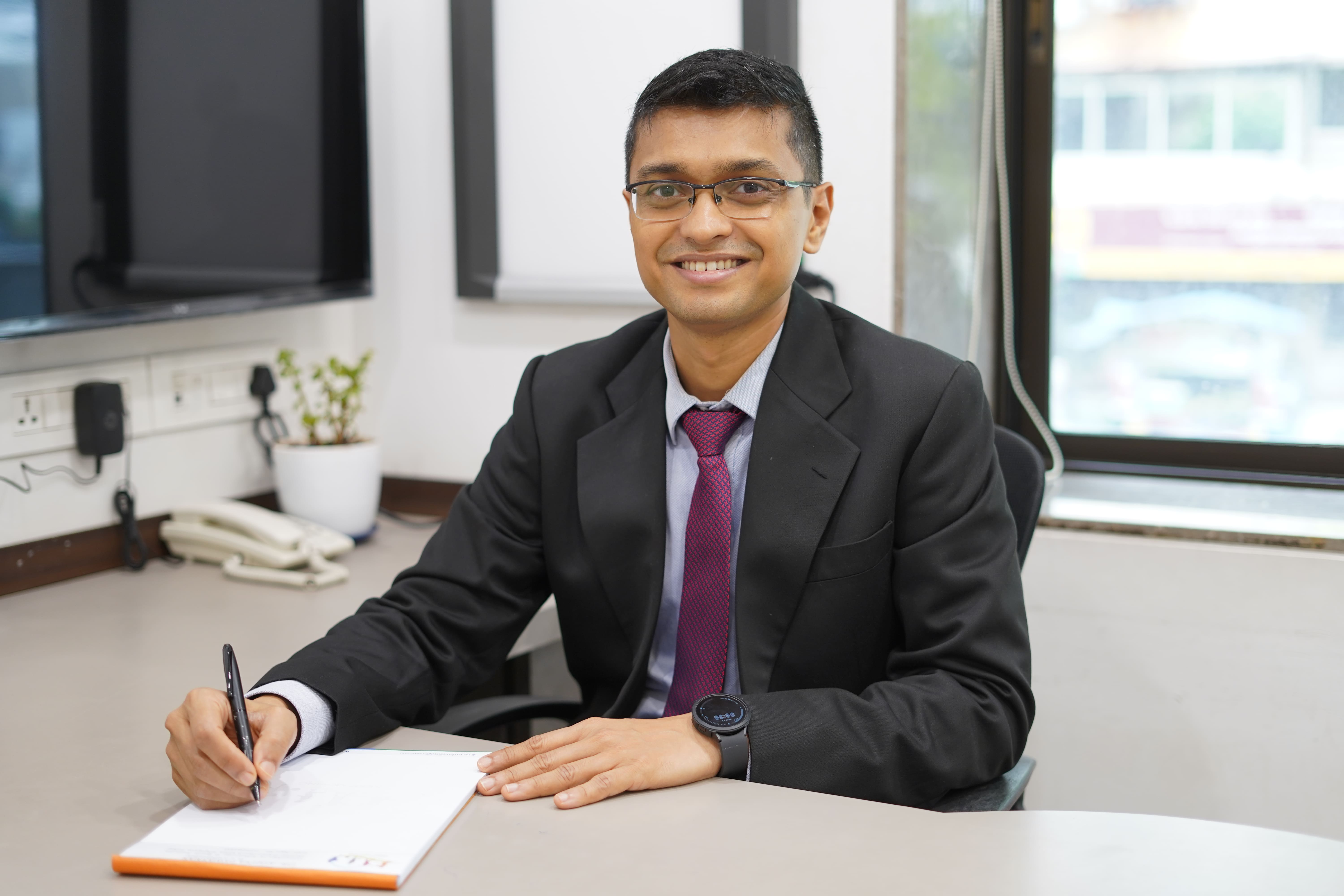
Dr. Aditya Pawaskar is a Consultant Arthroscopic Surgeon and Sports Injury Specialist in Mumbai with expertise in treating knee and shoulder sports injuries.
His areas of expertise include:
- ✔ ACL tear reconstruction
- ✔ Knee arthroscopy
- ✔ Sports injury management
- ✔ Arthroscopic procedures
- ✔ Athlete rehabilitation planning
With specialised training and experience in sports orthopaedics, Dr. Aditya Pawaskar provides personalised treatment plans based on each patient's injury, lifestyle, and recovery goals.
For patients looking for ACL tear treatment in Mumbai, choosing an experienced sports injury specialist helps ensure proper diagnosis, surgical planning, and rehabilitation guidance.
Learn more about Dr. Aditya Pawaskar’s expertise:
https://dradityapawaskar.com/about

Dr. Aditya Pawaskar
Consultant Arthroscopic Surgeon & Sports Injury Specialist
Specialised Care For:
- ACL Tear Reconstruction
- Knee Arthroscopy
- Meniscus & Ligament Repair
- Sports Injury Management
Frequently Asked Questions About ACL Tear Recovery Timeline
Conclusion
An ACL tear recovery timeline is not just about waiting for the ligament to heal. Successful recovery requires structured rehabilitation, strength improvement, and gradual return to activities.
Whether your goal is returning to professional sports, fitness activities, or daily life, proper evaluation and personalised treatment planning are important.
If you are experiencing knee instability after an ACL injury, consult an experienced ACL reconstruction specialist in Mumbai for accurate diagnosis and appropriate treatment guidance.
Dr. Aditya Pawaskar provides advanced arthroscopic and sports injury care focused on helping patients regain mobility and return to their active lifestyle.
For consultation and appointment details:
https://dradityapawaskar.com/contact
Dr. Aditya Pawaskar, MS (Orthopaedics)
- Specialist in Arthroscopy & Sports Injury, Mumbai
Visit: https://dradityapawaskar.com/